📍 Yiwu: A City of Commerce and Consequence
Tucked into China’s Zhejiang Province, Yiwu is home to one of the largest wholesale markets in the world. From this industrial powerhouse, low-cost merchandise flows to the U.K., Europe, the U.S., and beyond.
But Yiwu’s success story comes at a steep cost.
Locals have long spoken—quietly—about clusters of illness, about neighbors who died too young, or families where cancer seems to strike generation after generation. Yiwu isn’t officially labeled a “cancer village,” but it shares many of the same traits: dense factory zones, polluted water sources, and growing public health concerns.
What I Saw With My Own Eyes
In late 2023, I visited Yiwu personally. What I saw was disturbing.
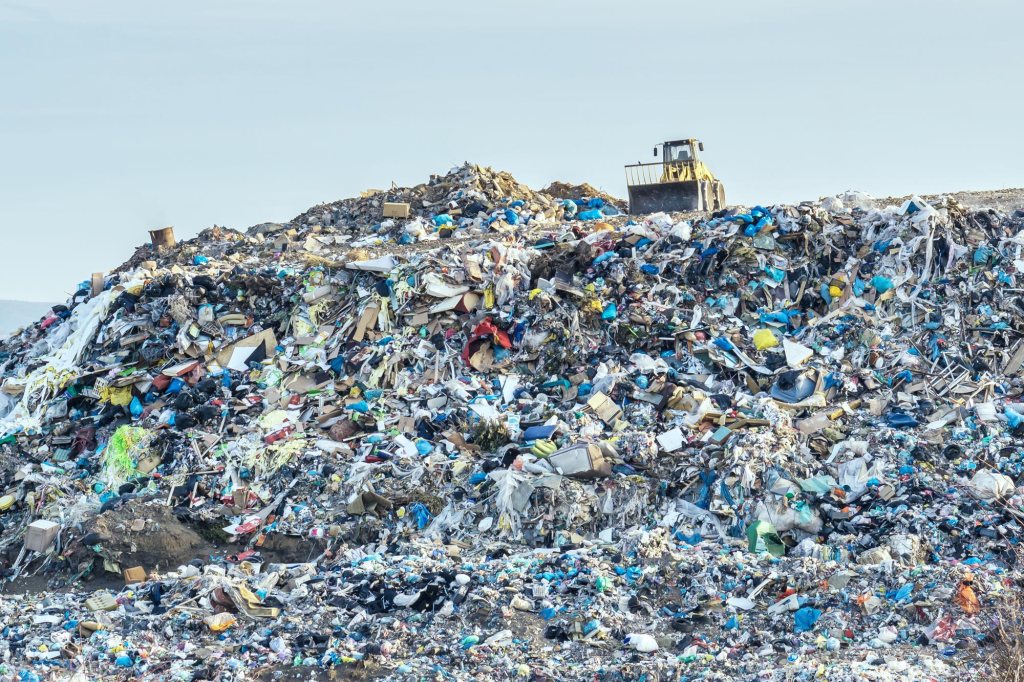
Across several industrial zones, I found vast piles of plastic waste stored in open-air holding areas—discarded acrylic sheets, failed merch runs, and mixed plastic scrap left exposed to wind, rain, and sun.
Streams near these waste sites were visibly tainted with debris. A constant chemical smell hung in the air. What struck me most wasn’t just the amount of waste—it was the complete absence of safety measures. No containment. No filtration. Just runoff and dust carried wherever the wind or water took it.
This wasn’t just large-scale production. It felt reckless.
The Air Carries More Than Smog
In Yiwu and surrounding areas, air pollution is a daily reality. Particulate levels frequently exceed WHO recommendations, especially PM2.5—tiny particles that penetrate deep into the lungs and bloodstream, linked to asthma, heart disease, and cancer.
Much of this pollution comes from:
- Industrial smokestacks
- Coal-fired power plants
- Vehicle exhaust
- Manufacturing fumes from plastics, inks, and dyes
Locals report constant coughing, shortness of breath, and fatigue—symptoms that compound over time.
Polluted Rivers, Vanishing Wildlife
The Chengnan and Liudu Rivers run past many of Yiwu’s industrial sites. Once used for farming, fishing, and daily life, these rivers now carry the burden of toxic waste.
In some areas, residents say they haven’t seen fish in years. Downstream, farmers report crops mysteriously failing. Soil and plant discoloration is common.
Tests in nearby river systems have revealed heavy metal contamination, including cadmium, mercury, and lead—all of which accumulate in living tissues and cause long-term harm to humans and animals alike.
Soil That Can’t Sustain Life
Where runoff seeps into farmland, the damage is long-lasting. Soil tests in Zhejiang Province have found high levels of chromium, arsenic, and nickel—elements often used in plastic coatings and dyes.
For those living near the factories, this means:
- Crops that grow slowly or not at all
- Groundwater that smells like solvents
- Skin irritation from working in the fields
Pollution doesn’t stop at the factory gate. It leaks into fields, homes, food, and bodies.
The Bigger Pattern: China’s Cancer Villages
Yiwu isn’t an outlier.
Across China, there are now more than 400 towns unofficially labeled “cancer villages.” These are places where cancer rates far exceed the national average, especially for liver, stomach, and blood-related cancers.
What do they all have in common?
They’re all close to chemical plants, waste-processing zones, or heavy manufacturing sites.
Though once denied by the government, multiple studies have now confirmed the correlation between environmental exposure and elevated cancer risk.
What Are These Factories Actually Making?
And here’s the part that should make all of us stop and think.
These factories aren’t producing medicine, infrastructure, or food.
They’re making:
- Acrylic charms for fan merch
- PVC keychains for online giveaways
- Glitter pins for swag bags
- Sticker packs for branding events
These are fast, cheap, replaceable products—and they’re being made at a cost that no discount can justify.
A Better Choice: Pick Countries That Protect People and the Planet
We don’t have to stop making merch.
But we do need to start making it responsibly.
That starts by choosing manufacturers in places with real environmental laws and worker protections, like:
- The United States
- The United Kingdom
- EU nations that enforce labor, safety, and pollution controls
Factories in these regions are:
- Held to strict emission standards
- Regularly inspected
- Required to manage waste responsibly
- Subject to transparency and public accountability
Yes, it might cost a bit more per unit. But the ethical cost? Much, much lower.
When you choose regulated production, you’re helping prevent:
- Water pollution
- Airborne toxins
- Soil degradation
- Worker exploitation
You’re making a statement: no product is worth poisoning a community for.
💬 Final Thought
It’s easy to see a cute enamel pin or colorful sticker and think, “It’s just merch.”
But take a step back and ask:
- Who made this?
- What was released into the environment to produce it?
- Who lives next to those factories?
- What will this plastic look like 500 years from now?
We don’t have to stop creating cool stuff.
We just need to choose better—for people, for the planet, and for the truth.
Because nobody should have to die for a discount.


 True cost merch