You see it everywhere:
“Free shipping.”
But what’s the real cost to the environment?
Most people never stop to consider how far a product travels—or how much carbon is burned—before it lands on their doorstep. In the world of promotional merch and branded giveaways, it’s often cheaper to order from overseas suppliers that mass-produce at rock-bottom prices.
But that low checkout price hides a much bigger cost:
carbon emissions, pollution, and environmental debt.
Let’s break down the real carbon footprint of international shipping—and why cheap merch often means a dirty supply chain.
Carbon Emissions by Shipping Route
High-Impact Routes (originating in China):
| Route | Sea Freight (kg CO₂/ton) | Air Freight (kg CO₂/ton) |
|---|---|---|
| China → U.K. | ~160 | ~6,000 |
| China → U.S. (West) | ~120 | ~4,500 |
| China → Europe | ~150 | ~5,800 |
Lower-Impact Routes (originating in U.K.):
| Route | Sea/Truck Freight (kg CO₂/ton) | Air Freight (kg CO₂/ton) |
|---|---|---|
| U.K. → U.S. (East) | ~35 | ~1,500 |
| U.K. → Europe | ~20 (truck/ferry) | N/A |
Estimates based on global emissions calculators and standard freight distances.
Why Shipping from China Is Especially Harmful
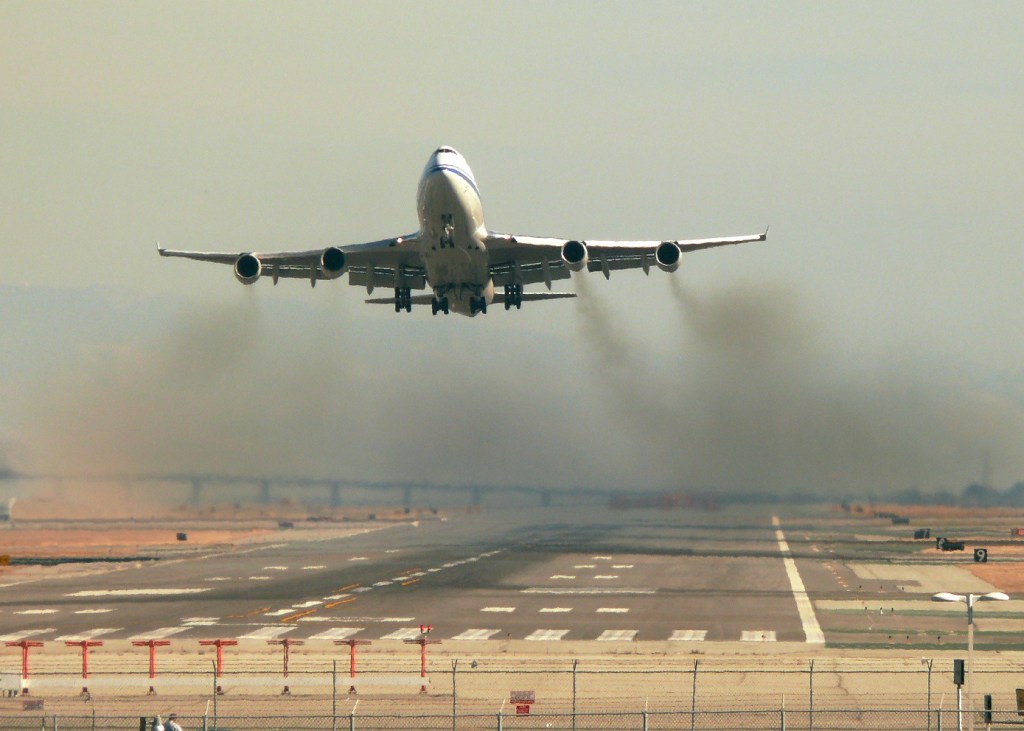
To meet fast turnaround demands, many Chinese-made products are delivered via air freight—the most carbon-intensive method of transportation. Air cargo produces 50 to 100 times more CO₂ per ton than sea freight.
Combine this with:
- Frequent small batch orders
- Plastic-heavy packaging
- Energy-intensive manufacturing powered by coal
- Weak environmental enforcement
…and you’ve got a pollution pipeline with every shipment.
Not All Long-Distance Shipping Is Equal
It’s easy to assume that local is always greener—but that’s not always the case.
If a product is:
- Made in a regulated environment
- Produced in smaller, ethical batches
- Shipped via slower, consolidated sea freight
…then it can actually have a lower total carbon footprint than a product made fast and cheap in an unregulated factory—even if it travels further.
It’s not just about distance.
It’s about how it’s made, what it’s made from, and how fast it’s shipped.
Example: 1,000 Promotional Keychains
| Source | Shipping Method | Estimated CO₂ Emissions |
|---|---|---|
| China (air freight) | Air Freight | ~250–300 kg CO₂ |
| China (sea freight) | Sea Freight | ~30–50 kg CO₂ |
| U.K. / EU (local) | Truck/Ferry | ~5–10 kg CO₂ |
| Ethically made abroad | Slow Sea Freight | ~10–20 kg CO₂ |
Same product. Wildly different impact.
How to Ship Responsibly
Whether you’re in the U.S., U.K., or anywhere else, here’s how to lower your impact when buying merch:
- Ask your supplier where and how they ship.
- Avoid air freight unless absolutely necessary.
- Choose natural or recycled materials over petroleum plastics.
- Work with factories that follow labor and environmental regulations—even if they’re overseas.
- Batch orders instead of placing frequent low-volume shipments.
Final Thought
Cheap isn’t just a price tag—it’s a global cost.
Behind every “free shipping” label is fuel, freight, and often unseen harm.
Next time you place a merch order, ask:
- How was this made?
- How far did it travel?
- What was burned, dumped, or exploited to make it this cheap?
Because behind every low-cost shipment is a choice—and it doesn’t have to come at the planet’s expense.


 True cost merch